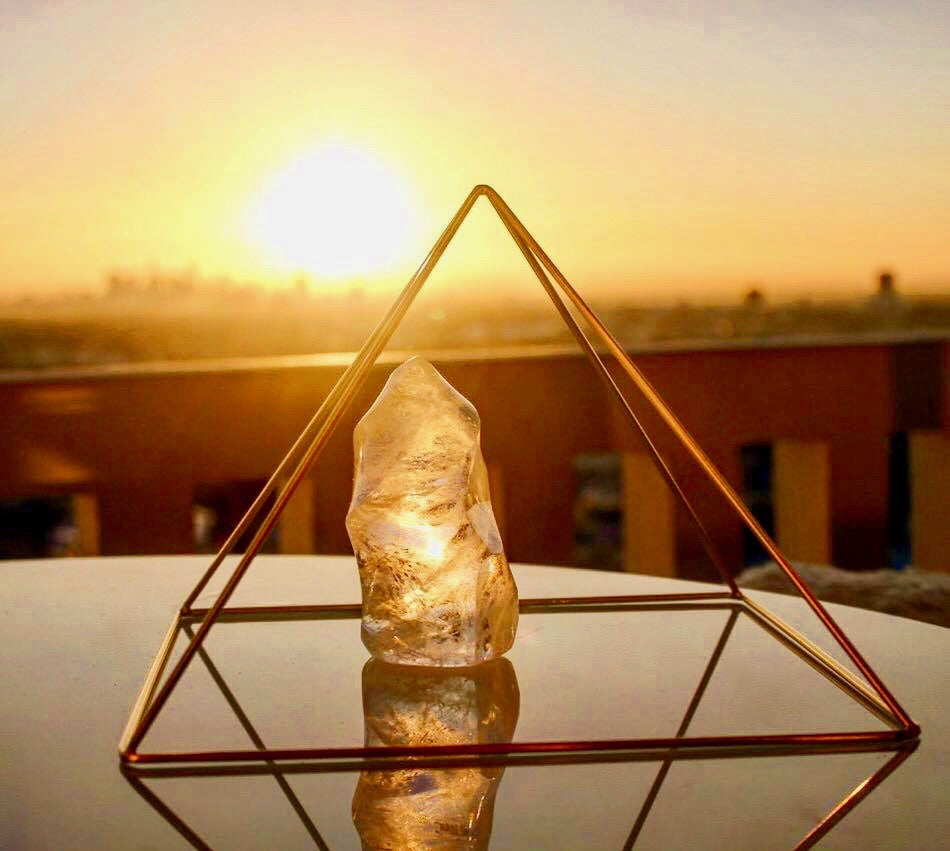
Summer Solstice 2026: Celebrating the Longest Day of the Year
As the Northern Hemisphere tilts closest to the Sun, people around the world will welcome the Summer Solstice on June 21, 2026—a celestial event that marks the longest day and shortest night of the year. For centuries, this annual turning point has inspired festivals, traditions, and moments of reflection, connecting humanity to the rhythms of nature and the passage of time.

What Is the Summer Solstice?
The Summer Solstice occurs when the Earth's North Pole reaches its maximum tilt toward the Sun. As a result, the Sun follows its highest and longest path across the sky, providing the greatest amount of daylight of any day of the year.
Although many people think of the solstice as the first day of summer, astronomically it is actually the moment that marks the official beginning of the season. After the solstice, daylight hours gradually begin to decrease, though the warmest days of summer are often still ahead.
A Global Celebration
Across cultures and continents, the Summer Solstice has long been associated with abundance, renewal, and the power of sunlight.
Ancient civilizations carefully observed the solstice and built monuments aligned with the rising or setting Sun. From prehistoric stone circles to ceremonial sites, these structures demonstrate humanity's enduring fascination with the sky.
Today, communities continue to celebrate the occasion through festivals, outdoor gatherings, music, dancing, and cultural traditions. In many regions, the solstice serves as a reminder of our connection to nature and the changing seasons.
The Science Behind the Magic
The Summer Solstice is not caused by Earth's distance from the Sun but by the planet's axial tilt of approximately 23.5 degrees. Throughout the year, this tilt causes different parts of Earth to receive varying amounts of sunlight.
On the day of the solstice, locations in the Northern Hemisphere experience their maximum daylight hours. The farther north one travels, the more dramatic the effect becomes. In some Arctic regions, the Sun remains visible for 24 hours or more, creating the phenomenon known as the "Midnight Sun."
Meanwhile, the Southern Hemisphere experiences the Winter Solstice, marking its shortest day and longest night.
Finding Meaning in the Longest Day
Beyond its scientific significance, the Summer Solstice offers an opportunity to pause and appreciate the natural world. It is a moment to recognize growth, vitality, and the energy of the season.
Many people celebrate by spending time outdoors, watching the sunrise or sunset, practicing mindfulness, gardening, hiking, or gathering with friends and family. The solstice encourages us to embrace the light—both literally and metaphorically—and to reflect on the goals, relationships, and experiences that bring meaning to our lives.
Looking Ahead
The Summer Solstice 2026 serves as a reminder that Earth's journey around the Sun is a continuous cycle of change. As we enjoy the year's longest day, we are also reminded that every season has its place and purpose.
Whether observed through scientific curiosity, cultural tradition, or personal reflection, the Summer Solstice remains one of nature's most remarkable annual events. It invites us to celebrate the warmth of summer, the beauty of daylight, and our enduring connection to the cosmos.
As the Sun reaches its highest point in the sky on June 21, 2026, people around the world will once again look upward, honoring a moment that has inspired wonder for thousands of years.
Healing Energy Tools
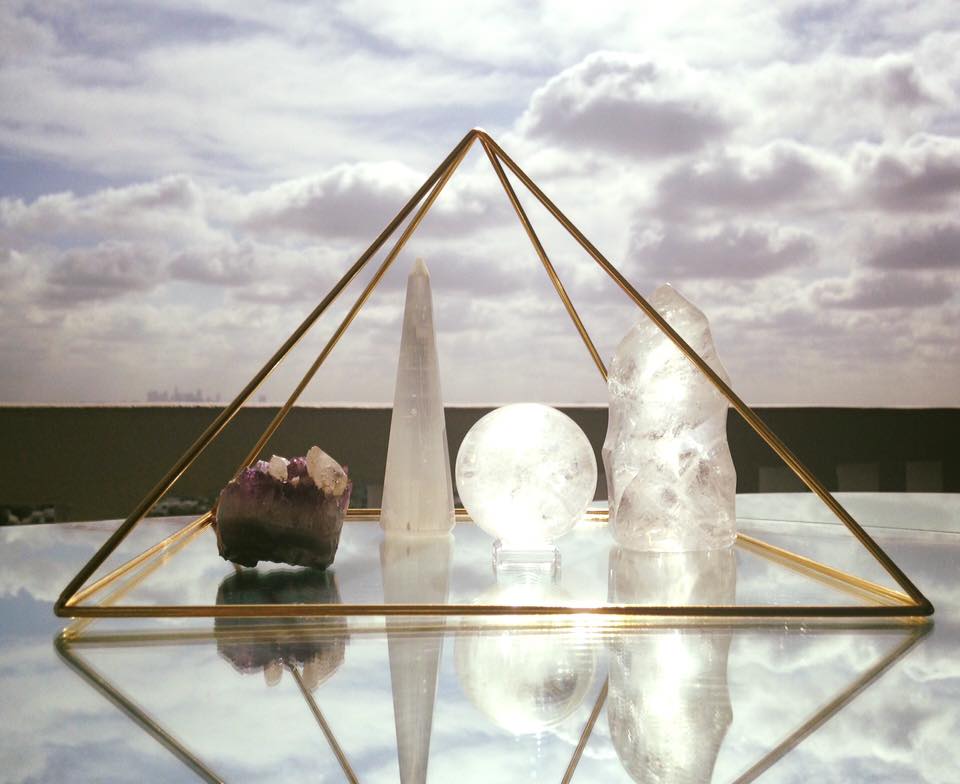
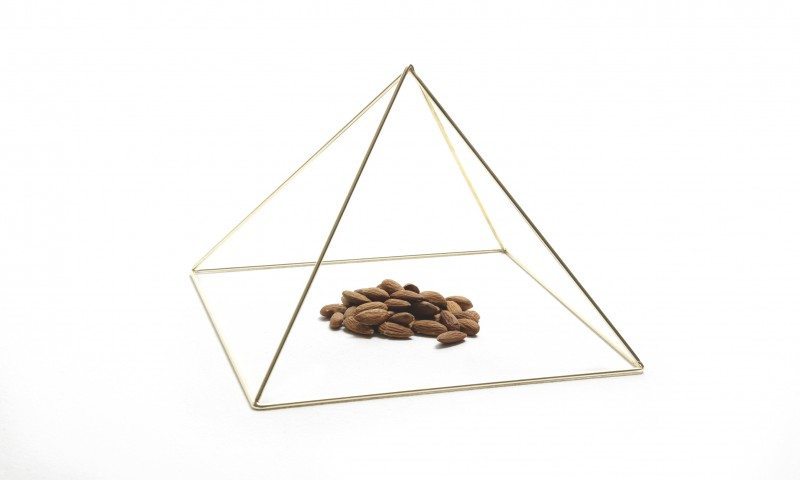
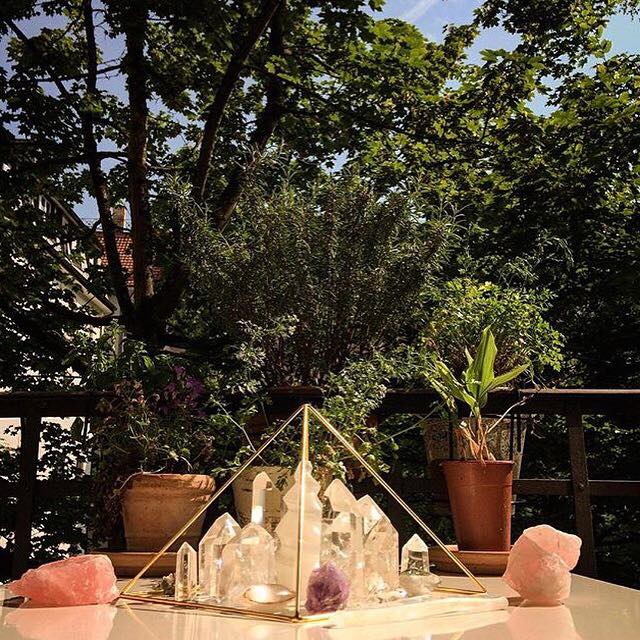
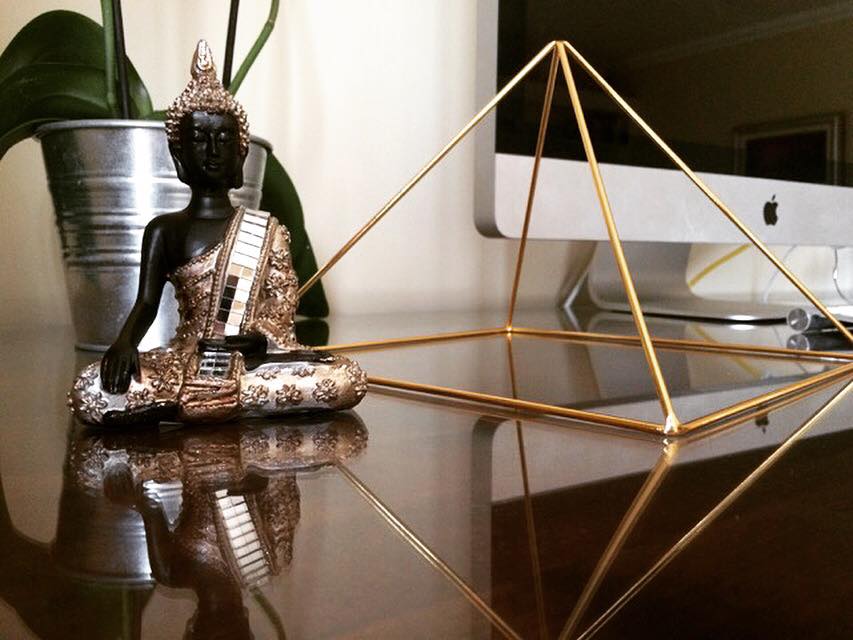
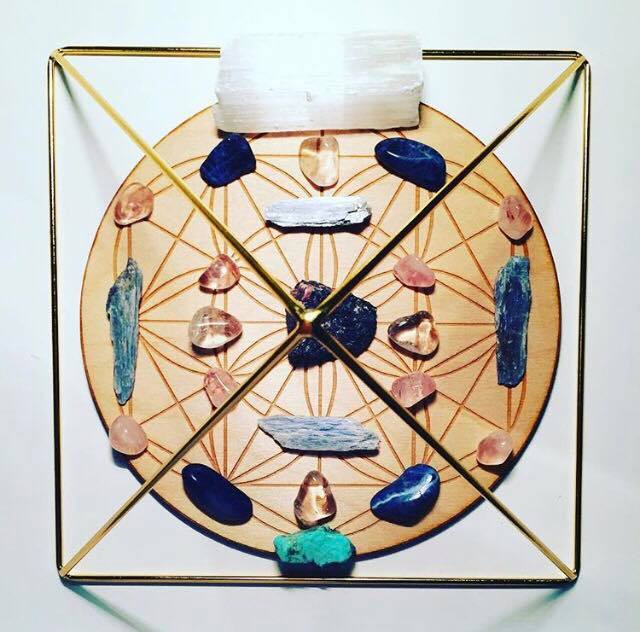
RAISE YOUR VIBRATION! Learn how does the Pyramid Energy works and how you can raise your vibration with a Meditation Pyramid. Read more Here
Check our NEW Sacred Geometric Collection Here